 11
11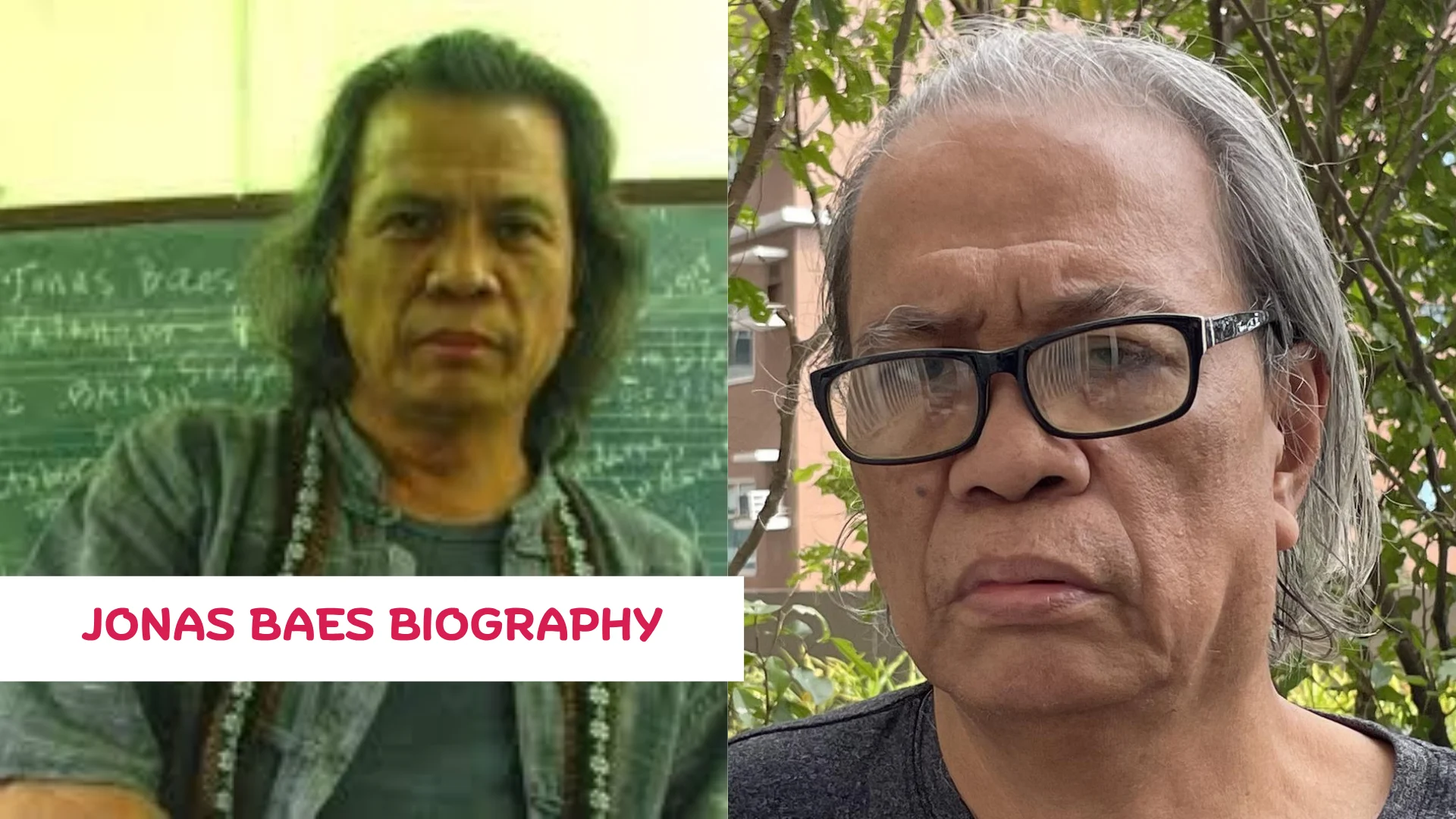
Jonas Baes is a world‑renowned Filipino composer, ethnomusicologist, cultural activist, and professor whose work bridges traditional Philippine music with cutting‑edge experimental sound art.
Known for his boundary‑pushing compositions, Baes explores the relationship between culture, sound, and society like few others in Southeast Asia.
His style is rooted deeply in indigenous Filipino musical traditions while engaging global avant‑garde techniques—a fusion that has made him a pioneering voice in contemporary music.
Jonas Baes was born in 1961 in Los Baños, Laguna, Philippines. Growing up during the cultural and political upheaval of the late 20th century in the Philippines shaped his artistic sensibilities. From an early age, he was surrounded by the rich tapestry of Filipino traditional sound—from folk melodies and indigenous rhythms to spirituality and protest music that defined the era.
His formative years were influenced not just by music but also by the real‑world struggles of his country, lending his compositions a sense of purpose beyond aesthetics.
Jonas Baes’s academic foundation is impressive and integral to his development:
This diverse educational background allowed Baes to form a unique compositional voice that blends scholarly rigor with creative innovation.
Jonas Baes’s music is not conventional classical music. Instead, his compositions explore sound as a lived cultural experience, often involving community participation. His style is characterized by:
Baes frequently uses indigenous and everyday sound sources such as:
These unconventional “instruments” help blur the lines between music, environment, and audience.
In many of his pieces, the audience participates directly in the performance, playing instruments or contributing vocal elements, turning listeners into co‑creators.
Baes draws inspiration from social theory, indigenous practices, and environmental consciousness. His work often reflects the themes of identity, community, nature, and resistance against cultural homogenization.
Here are some of Jonas Baes’s most influential compositions, each showcasing his unique style:
A seminal work scored for four wind instruments and performed with audience participation. The piece has become symbolic of environmental and cultural concerns.
Composed in 1994, this piece integrates environmental soundscapes and was initially created during his studies in Germany. It has multiple movements reflecting nature, memory, and resonance.
An experimental vocal work for various numbers of male voices, challenging traditional musical structure.
A performance piece that integrates dance, sound, and audience participation using bells, wind chimes, and vocal interaction.
These early works incorporate bamboo scrapers, forest voices, and ritualistic performance elements.
These works highlight Baes’s commitment to rooting avant‑garde art in cultural and communal sound practices.
Jonas Baes is also a distinguished educator and researcher. He has been a professor at the University of the Philippines Diliman College of Music, teaching composition, analysis, and sound theory.
His research spans:
Baes’s publications appear in international peer‑reviewed journals, and his book Maceda, Spahlinger and the Dialectics of a “New Music” Praxis in Southeast Asian Modernity synthesizes his interdisciplinary work.
Beyond academia, he founded:
He has also lectured internationally, influencing music communities in Asia, Europe, and beyond.
Jonas Baes’s work has been recognized with various prestigious honors:
These accolades reflect both his creative excellence and academic impact.
Jonas Baes’s influence goes beyond composing music; he has played a vital role in:
His legacy lives on through his numerous compositions, scholarly works, and the many students and artists he has inspired worldwide.
A Filipino composer, ethnomusicologist, and cultural activist known for experimental music rooted in indigenous traditions.
Baes uses unorthodox instruments and often involves the audience as part of the performance.
He studied at the University of the Philippines and in Germany under renowned mentors.
Cultural identity, community, nature, resistance, and the politics of sound.
Yes — he continues composing, teaching, writing, and mentoring artists worldwide.
Jonas Baes has redefined what it means to be a contemporary composer. His fusion of indigenous Filipino sound cultures with avant‑garde and experimental practices positions him as a unique voice in global music. More than a composer, he is a thinker, educator, and cultural force whose work invites us to listen deeply—to our communities, environments, and shared humanity.
His legacy is not only in his compositions but in the philosophies he champions: creativity, cultural dignity, and collective expression.

Zeez is the editor and founder of BioOrbit, where he researches and writes biographies of public figures from Nigeria and around the world. With 5 years of experience writing about news, entertainment, sports and politics, Zeez focuses on verified facts, clear sourcing and regular updates. Found an error? Report a correction.