From Jada to the Customs Service
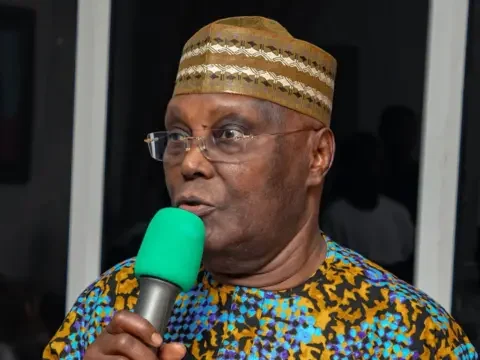
Atiku was born in Jada, then part of the British Cameroons and now in Adamawa State, to a Fulani trader and farmer who drowned in 1957. He finished secondary school in 1965, briefly attended the Police College in Kaduna, took a hygiene diploma in Kano in 1967 and studied law at Ahmadu Bello University’s Institute of Administration. He then spent about two decades in the Customs Service, rising to deputy director, before retiring in 1989. Alongside the job he started building property in Yola in 1974, then tried farming, which he says failed, before trading and moving into oil services.
Business Interests and the Conflict-of-Interest Claims
He co-founded the oil-servicing firm Intels Nigeria and holds stakes in a beverage maker and a feed plant, and he founded the American University of Nigeria in Yola. He has faced accusations that his business ties conflicted with his civil service duties, which he has denied. During his vice presidency, US authorities accused him of money laundering linked to Intels, and he was named in a 2005 bribery case that sent US congressman William Jefferson to prison; he has denied wrongdoing in both matters, and no outcome against him was reported in the sources reviewed.
Vice President, 1999 to 2007
He won the Adamawa governorship in 1998 but became Olusegun Obasanjo’s running mate before taking office, and served as Vice President for two terms, re-elected in 2003. In 2006 he fell out with Obasanjo over the push for a third term and left the ruling party for the Action Congress, which he represented in the 2007 election, finishing third.
Five Parties and Six Runs
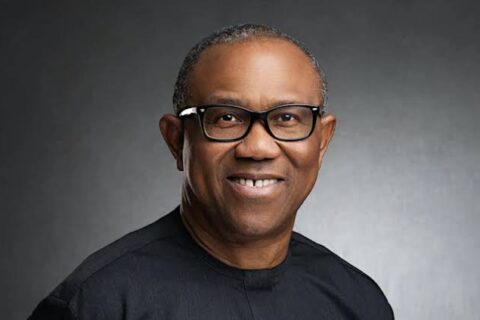
After 2007 he returned to the Peoples Democratic Party and lost its 2011 primary to Goodluck Jonathan. He joined the All Progressives Congress in 2014, lost its 2015 primary to Muhammadu Buhari, and went back to the PDP in 2017. As the PDP candidate in 2019 he lost to Buhari by more than three million votes and took his challenge to court. He won the PDP primary again in 2022 and placed second to Bola Tinubu in 2023; the Supreme Court dismissed his petition. In 2025 he left the PDP and joined the ADC with Peter Obi, who has since left the party and is now the presidential candidate of another party, the Nigeria Democratic Congress.
The ADC Ticket
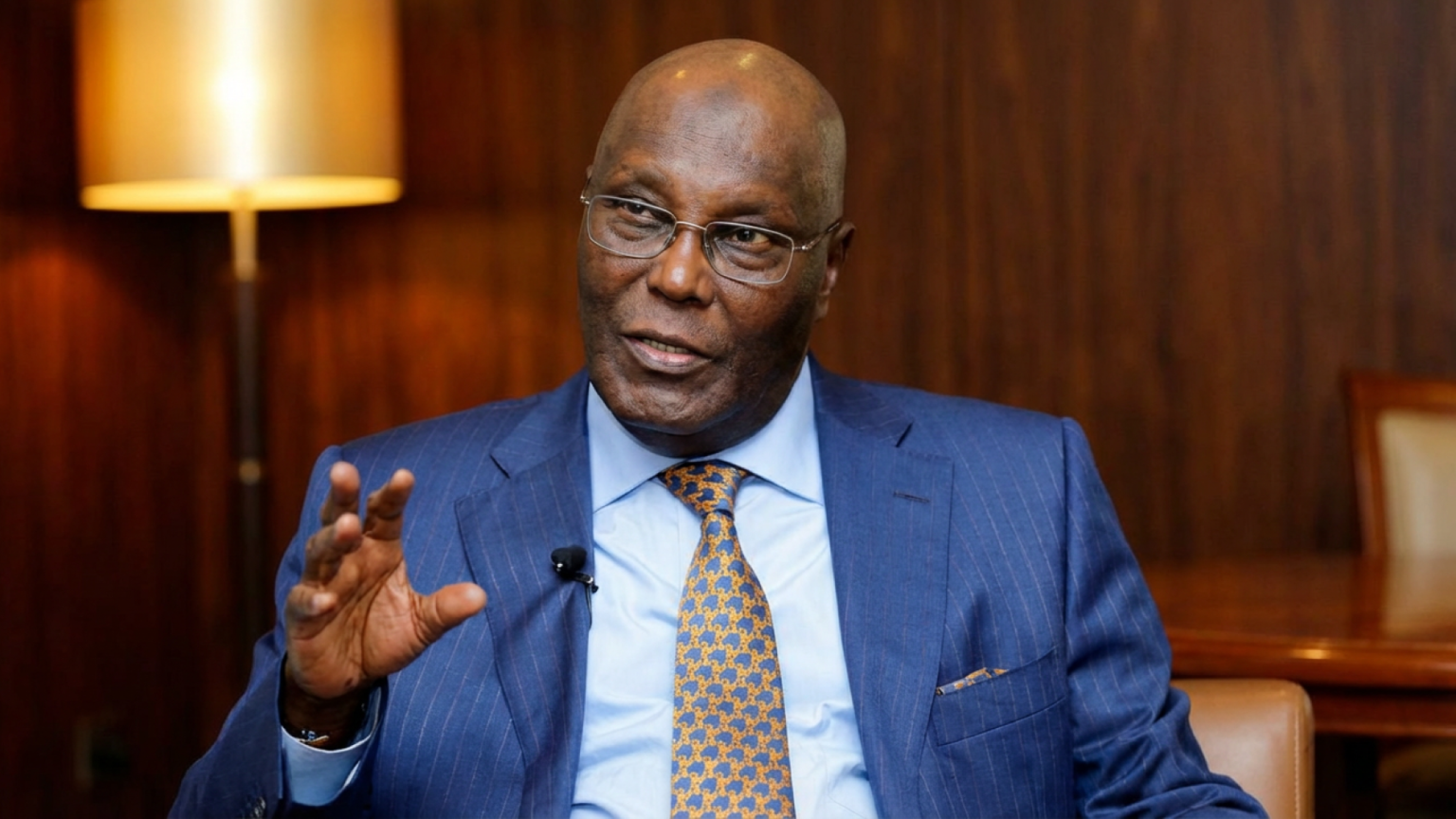
The ADC held its direct primary on May 25, 2026. Atiku won with 1,846,370 votes against 504,117 for Amaechi and 177,120 for Mohammed Hayatu-Deen. Amaechi called the results “concocted” and Hayatu-Deen accused party officials of rigging, and the party declared the result anyway. In June, the party named Amaechi as Atiku’s running mate, calling the pair a “unity and rescue ticket.” In October, Atiku’s campaign said he remained open to discussions on opposition cooperation after a report that opposition groups were weighing a single-candidate or run-off arrangement; neither he nor Obi had shown any inclination to accept a single candidate.
The Court Judgment and What Happens Next
The case began with Gombe’s suit of September 2, 2025, challenging how Mark and Rauf Aregbesola were installed as national chairman and national secretary after the resignation of the chairman Ralph Nwosu. It went through the Court of Appeal and the Supreme Court before being returned for expedited trial and reassigned to Justice Lifu on May 19, 2026. Lifu held the Mark-led leadership was installed in breach of the party constitution and the Electoral Act, and ordered the electoral commission not to recognise decisions of the party’s July 2025 national executive meeting.
Atiku’s camp points to a separate judgment of July 2, 2026, by Justice Musa Liman, which, in the camp’s account, dismissed a different suit over the same leadership on grounds of jurisdiction, standing and failure to exhaust internal remedies. The camp asks why a second case was filed to reopen the dispute. The ADC says the ruling is a politically motivated attempt to weaken the opposition; the ruling All Progressives Congress, through its spokesman Daniel Bwala, says it is not involved. Critics of Atiku’s takeover of the party have described it as hasty, and Gombe’s faction welcomed the verdict. The electoral commission said it would obey any order from the Court of Appeal, including a stay of execution.
Campaign Message and the Tinubu Case
In statements issued by his campaign communications director, Phrank Shaibu, Atiku has attacked Tinubu’s record on poverty, proposed a “production-based” fuel subsidy tied to local refining and pledged more welfare spending. On November 10 he said he would reject a proposed $500 million World Bank loan, scheduled for consideration on May 25, 2027, calling it a “second slavery” and arguing that “no outgoing president has the right to burden his successor with fresh debt.” These are his campaign’s positions and were not independently tested.
Separately, Atiku and the ADC are suing in the Federal High Court in Abuja to bar Tinubu and the APC from the 2027 election, alleging that a forged NYSC discharge certificate was submitted to the electoral commission. Justice Inyang Ekwo is due to rule on November 20, 2026 on their request to amend the suit; Tinubu’s lawyers, including Wole Olanipekun, argue that the case cannot be changed midway. The allegation has not been decided by any court.
Career Timeline
| Date | Event |
|---|---|
| November 25, 1946 | Born in Jada |
| April 1989 | Retires from the Customs Service |
| 1999 | Becomes Vice President |
| 2007 | Runs for president as Action Congress candidate and places third |
| 2019 | PDP candidate; loses to Buhari |
| 2023 | PDP candidate; places second to Tinubu |
| 2025 | Joins the ADC |
| May 25, 2026 | Wins the ADC presidential primary |
| June 2026 | Names Amaechi as running mate |
| November 5, 2026 | Court nullifies the ADC leadership and his nomination |
| November 6, 2026 | ADC appeals and seeks a stay |
| November 20, 2026 | Ruling due on his motion to amend the NYSC suit against Tinubu |
| January 16, 2027 | Scheduled presidential election |

Comments 0